
Fishery exports cross $700 mln

Fishery exports suspended after China restricts imported seafood amid COVID-19

The fishery exports through the Sino-Myanmar border has ground to a halt following the consequences and safety measures on the imported seafood amid the COVID-19 pandemic, traders stressed. Myanmar’s fishery export was experiencing a downturn due to the import restrictions triggered by the detection of the COVID-19 on fish imports in China. China was the second-largest buyer of Myanmar’s fishery products, accounting for US$254 million out of the overall fishery export value of $850 million in the past financial year2019-2020. At present, the fishery sector is dependent on maritime trade only. Export earnings from the fisheries sector over the first half (1 Oct-7 May) of the current Financial Year 2020-2021 touched a low of US$507.6 million, a decrease of $80.59 million from the year-ago period. According to statistics released by the Commerce Ministry, the figures stood at $588.25 million during a year-ago period.

Food and Agriculture Organization (FAO) and World Health Organization (WHO) issued guidelines to ensure food safety during the COVID-19 pandemic in April 2020. Permitted companies are advised to carry out food safety plans, follow the WHO and FAO guidelines, formulate a safety management system. They must suspend exports if any suspicious foodborne virus or virus infection risk are found in the products. The export is likely to resume once the products meet food safety criteria set by the General Administration of Customs of the People Republic of China (GACC). Myanmar Fisheries Federation stated that only the G2G pact could tackle problems faced in exporting farm-raised fish and prawns and ensure smooth freight movement between countries in order to bolster exports. During the last FY2019-2020, MFF expected to earn more than $800 million from fishery exports, and it reached a target.

Myanmar exports fisheries products, such as fish, prawns, and crabs, to markets in 40 countries, including China, Saudi Arabia, the US, Japan, Singapore, Thailand, and countries in the European Union. The MFF is making concerted efforts to increase fishery export earnings by developing fish farming lakes that meet international standards and adopting advanced fishing techniques. The foreign market requires suppliers to obtain Hazard Analysis and Critical Control Points (HACCP) and Good Aquaculture Practices (GAqP) certificates to ensure food safety. Fishery products must be sourced only from hatcheries compliant with GAqP to meet international market standards. The MFF is working with fish farmers, processors, and the Fisheries Department under the Ministry of Agriculture, Livestock, and Irrigation to develop the GAqP system. Processors can screen fishery products for food safety at ISO-accredited laboratories under the Fisheries Department.

There are 480,000 acres of fish and prawn breeding farms across the country and more than 120 cold-storage facilities in Myanmar. Myanmar exported 340,000 tonnes of fishery products worth $530 million in the 2013-2014FY, 330,000 tonnes worth $480 million in the 2014-2015FY, 360,000 tonnes worth $500 million in the 2015-2016FY, 430,000 tonnes worth $600 million in the 2016-2017FY, 560,000 tonnes worth $700 million in the 2017-2018FY and 580,000 tonnes worth over $730 million in the 2018-2019FY respectively, according to the Commerce Ministry. Myanmar’s economy is more dependent on the agricultural sector to a large extent. Also, the fisheries sector contributes a lot to the national gross domestic product (GDP). Its fishery production, including shrimps and saltwater and freshwater fish, is far better than the regional countries. Yangon Region Fisheries Department stated that if the government can boost processing technology, it can contribute to its economy. It will also earn more income for those stakeholders in the supply chain.

Source: The Global New Light of Myanmar
Myanmar’s border trade reaches $6.36 bln in first 8 months of FY2020-21

Myanmar’s trade with foreign countries through border gates reached over US$6.36 billion as of 7 May in the current financial year (FY) 2020-2021, which started in October, according to figures released by the Ministry of Commerce. During the period, the country’s export via border gates amounted to $4.32 billion while its import shared $2.04 billion. This FY’s border trade dropped by over $853 million, compared to the same period of the last FY2019-2020 when it amounted to $7.21 billion, the ministry’s figures said.

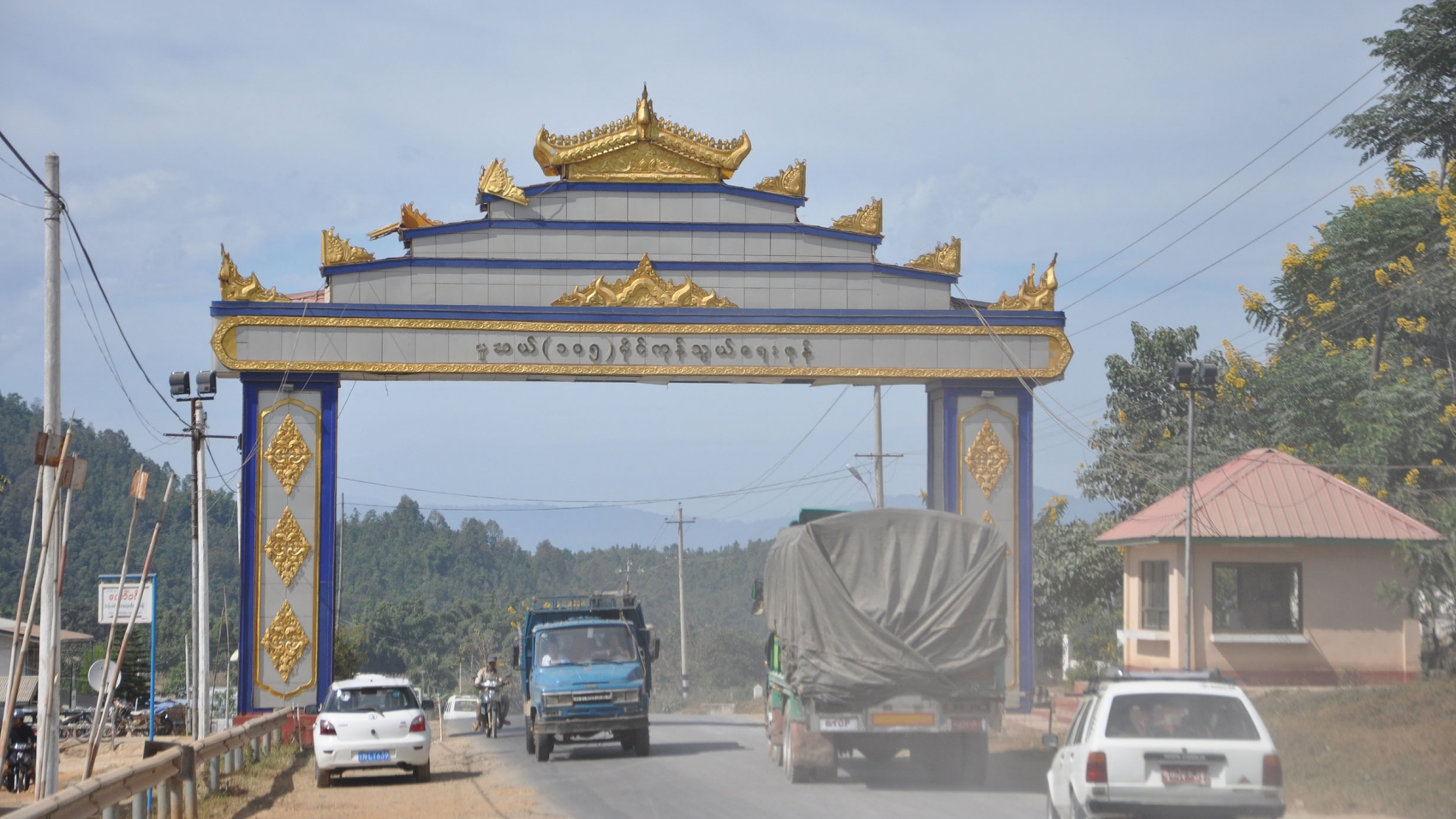
Muse topped the list of border checkpoints with the most trade value of $3.45 billion, followed by Myawady with $941 million. The country conducts border trade with neighbouring China through Muse, Lweje, Kampaiti, Chinshwehaw and Kengtung with Thailand via Tachilek, Myawady, Kawthoung, Myeik, Hteekhee, Mawtaung and Meisei gates, with Bangladesh via Sittway and Maungtaw and with India through Tamu and Reed border gates, respectively.

According to the Commerce Ministry, from 1 Oct 2020 to 7 May 2021 of this FY, the country’s foreign trade totalled over $18.09 billion while its sea trade valued $11.73 billion. Myanmar mainly exports agricultural products, animal products, marine products, minerals, forest products, manufacturing goods and others to foreign trade partner countries. In contrast, capital goods, intermediate goods and consumer goods are imported into the country. 

Source: The Global New Light of Myanmar
r0_0_800_600_w1200_h678_fmax

Myanmar pharmaceutical imports top $228.5 mln in five months

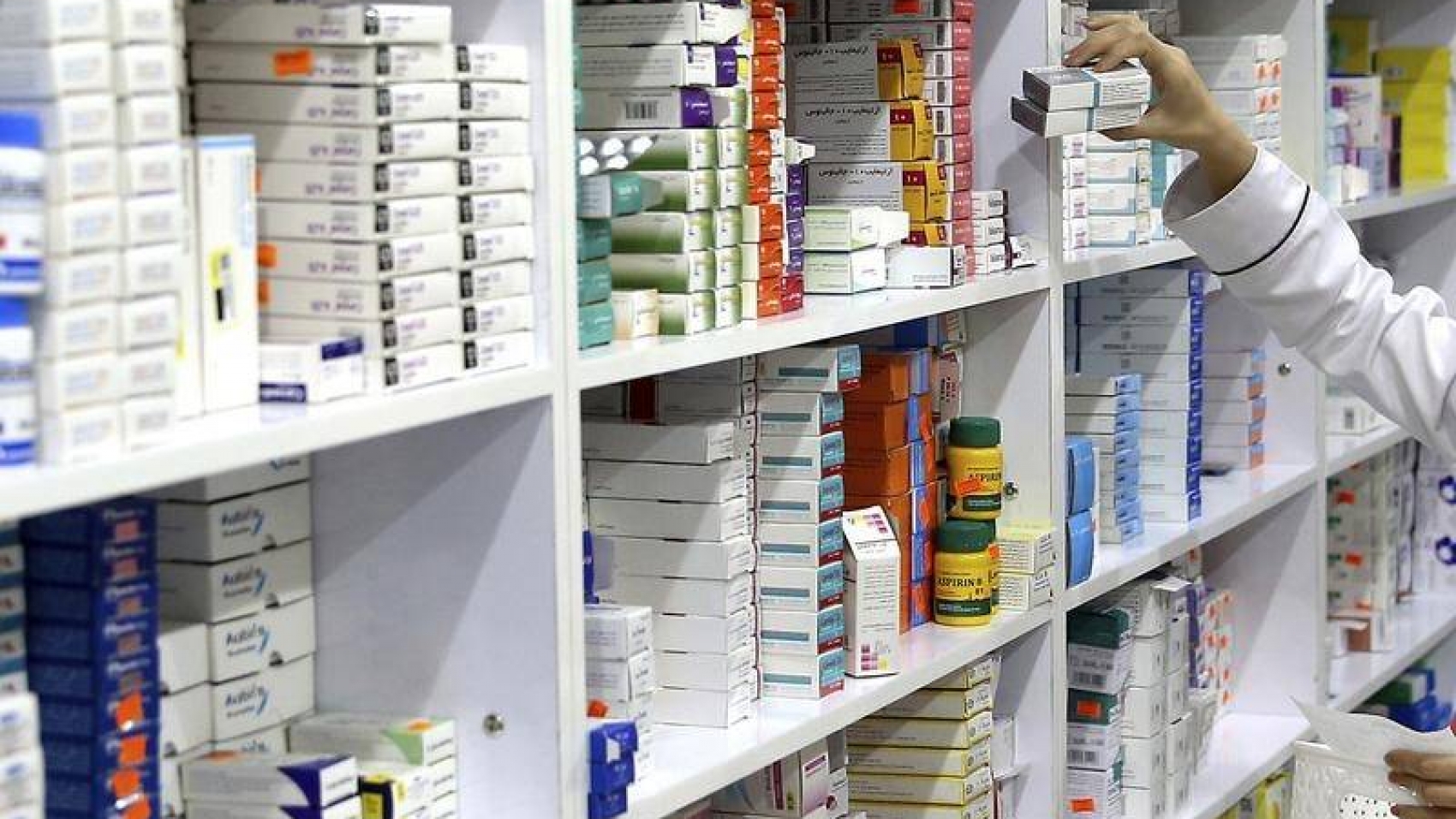
The import value of Myanmar pharmaceutical products was estimated at US$228.5 million in the five months (Oct-Feb) of the current financial year 2020-2021, according to Myanmar Customs Department.

Myanmar imports 90 per cent of medicine and medical products through foreign markets, the Myanmar Chamber of Commerce for Pharmaceutical & Medical Device (MCCPMD) stated. India is the main supplier for Myanmar. Also, it is imported by Bangladesh, China, Germany, Indonesia, Japan, Republic of Korea, Malaysia, the Philippines, Singapore, China (Taipei), Thailand, US and Viet Nam.

Trade has returned to normalcy after panic buying during the coronavirus pandemic. Most commonly prescribed drugs are available in the market. Only some are out of stock for now. At present, pharmaceutical import is regularly flowing. However, the prices of pharmaceuticals were up by 5 to 10 per cent, owing to the dollar appreciation. The Ministry of Commerce has cut the red tape for imports of some pharmaceuticals which have been earlier imported.

Source: The Global New Light of Myanmar

DSC_0299-010

Man Wein closure turns export products to China through Kyin San Kyawt checkpoint

The products that have been usually exported to the Man Wein checkpoint are now going to China through Kyin San Kyawt checkpoint due to the Man Wein checkpoint closure, said ViceChair U Min Thein of Muse Rice Wholesale Centre.
Man Wein checkpoint, which is one of the major border crossings between Myanmar and China, was closed on 30 March because of the COVID-19 outbreak. Now, the Man Wein checkpoint has been closed temporarily. Thus, rice and broken rice, pulses, aquatic products, onion, and chilli are exported to China through Kyin San Kyawt (Wan Ding) checkpoint. Earlier, the Kyin San Kyawt (Wan Ding) checkpoint used to export only the fruits such as watermelon, muskmelon and mangoes. Now, with the closure of Man Wein checkpoint, the foodstuffs are exported through the Kyin San Kyawt (Wan Ding) checkpoint. Besides, export of all the foodstuffs to China through the Kyin San Kyawt checkpoint has been delayed. It has been delayed.

Yesterday, watermelon and muskmelon were given priority to export to China via the Kyin San Kyawt checkpoint. A total of 315 truckloads entered through the Kyin San Kyawt checkpoint, including 215 truckloads of fresh stuff, 24 truckloads of rice and broken rice, 33 truckloads of pulses, seven truckloads of onion and four truckloads of chillies. But, a fiveday queue at the Man Wein post takes about 15 days in the Kyin San Kyawt checkpoint. The cargos were also inspected at the checkpoint, and it takes a long time. Currently, the Man Wein checkpoint has been closed for over one month because of COVID-19, and it has not been planned to reopen yet, according to the Muse 105th Mile Trade Zone, the Trade Department under the Ministry of Commerce. With the declining number of COVID-19 positive patients in the Kyalgaung area, the lockdown restriction imposed on the Kyalgaung area has been lifted starting from 4 May.

But, the observation is still going on for another three more months. As a result, the Man Wein checkpoint has not been planned to reopen. Further, in coordination with the Ruili Foreign Relations Department, the Man Wein checkpoint has not been reopened yet, and it will be reopened only after having the detailed plan, according to the Muse 105th Mile Trade Zone, the Trade Department. Therefore, the relevant traders will be informed if China has an official notification to reopen the crossing. The five land borders linking China and Myanmar are Muse in northern Shan State, Lwejel in Kachin State, Chinshwehaw in northeastern Shan State, Kampaiti in Kachin State and Kengtung in eastern Shan State, according to the Ministry of Commerce. Muse border sees an enormous volume with an estimated value of more than US$ 2.53 billion this FY between 1 October and 16 April. It decreased by over $35.3 million compared with the last year’s figures of $3.35 billion, the Ministry of Commerce’s data showed.

Source: The Global New Light of Myanmar

cbm_1

Imports down by $3.07 bln as of 7 May, MoC reports

The value of Myanmar’s imports between 1 October and 7 May in the current financial year 2020-2021 stood at US$9.115 billion, a sharp drop of $3.07 billion from $12.19 billion registered in the yearago period, according to data released by the Ministry of Commerce. The value of imports in the consumer, capital, intermediate goods, and CMP businesses groups dropped in the current FY. Over the past seven months of the current FY, capital goods, such as auto parts, vehicles, machines, steel, and aeroplane parts, were brought into the country.

Their import value was estimated at $3.19 billion. The figure was over $1.537 million lower compared to the same period in the previous FY. Meanwhile, Myanmar imported consumer products worth $1.958 billion, including pharmaceuticals, cosmetics, and palm oil. The imports of consumer products showed a slight decrease of $106.2 million compared with the same period in the previous FY. Inter mediate goods make up the second-largest share of Myanmar’s imports, with petroleum products and plastic raw materials being the main import items. This year, imports of raw materials plunged to $3.05 billion from $4.06 billion registered during the year-ago period.

During the same period, raw materials worth $912 million were also imported for the Cut-Make-Pack (CMP) garment sector, decreasing by $424.7 million compared with last budget year. At present, the CMP garment sector contributing to 30 per cent of Myanmar’s export sector is struggling due to the cancellation of order from the European countries and suspension of the trade by western countries amid the COVID-19. Therefore, import values of raw materials by CMP businesses have been dropping. The top 10 import countries to Myanmar are China, Singapore, Thailand, Malaysia, Indonesia, India, Viet Nam, Japan, the Republic of Korea and the US, as per data of the Ministry of Commerce.

Source: The Global New Light of Myanmar
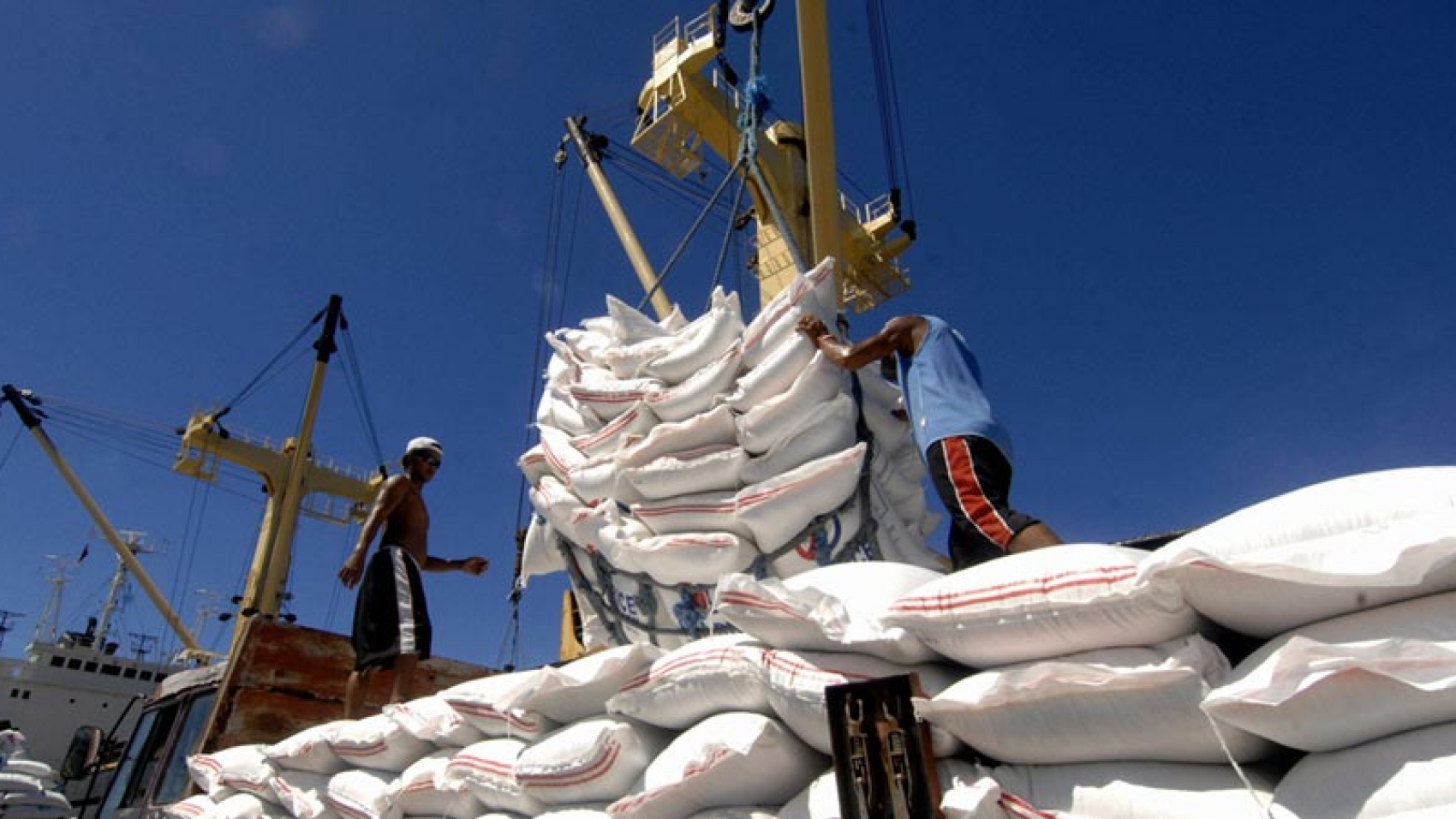
image_6483441 (28)

Sino-Myanmar bilateral trade exceeds US$4.85 bln in five months

The value of Myanmar’s trade with China through maritime and sea trade channels totalled over US$4.85 billion in October and February of the 2020- 2021 financial year, including $2.54 billion worth of exports and $2.3 billion for import, according to data released by the Ministry of Commerce. Myanmar primarily exports agro products to China through the border gates. However, the trade of agricultural products is frequently halted on account of China clamping down on illegal trade at the border checkpoint.

Furthermore, China has been stepping up border control measures to contain the spread of the COVID-19, hindering the border trade at present. In a bid to lower trade barriers and offer relief to Myanmar traders through the border trade channel, the Ministry of Commerce, the related departments and the Republic of the Union of Myanmar Federation of Chambers of Commerce and Industry have been negotiating with China counterparts. The two countries are making efforts to set up more border economic cooperation zones and promote border trade.

The value of bilateral trade with China stood at $12 billion in the 2019- 2020FY, $11.36 billion in the 2018-2019FY, $6 billion in the past mini-budget period, $11.78 billion in the 2017-2018 budget year and $10.8 billion in the 2016- 2017FY respectively. Rice, various types of peas, sesame seeds, corn, fruits and vegetables, dried tea leaves, fishery products, rubber, minerals and animal products are exported to China, whereas machinery, plastic raw materials, consumer products and electronic tools flow into Myanmar.

Source: The Global New Light of Myanmar

rice-imports-052318

Myanmar rice export down by US$ 30 mln in seven months of this FY

Myanmar has exported over 1.28 million tonnes of rice and broken rice as of 7 May this financial year (2020-2021), generating US$490.45 million, stated the Ministry of Commerce. However, Myanmar rice export has dropped by 512,589 tonnes in the seven months of this FY compared to last year. The export value of rice has also declined by $33.92 million this FY.

According to an announcement of the Ministry of Commerce, the volume of rice and broken rice between 1 October and 7 May in the last financial year 2019-2020 reached over 1.79 million tonnes, worth $524.4 million. The country exported over 700,000 tonnes of rice, generating an income of $198.870 million and over 500,000 tonnes of broken rice, earning $191.584 million this FY. China is the primary buyer of Myanmar rice. The Philippines, Côte d’Ivoire and Cameroon and Guinea are the second, third, fourth and fifth largest buyers of Myanmar rice, respectively.

Countries in the European Union account for over 20 per cent of Myanmar’s rice exports. In comparison, 25 per cent of the rice produced by the nation goes to African countries. Myanmar mainly exports broken rice to Belgium, followed by Indonesia, China, UK, and the Netherlands. Last FY, Myanmar exported rice and broken rice to more than 60 countries worldwide. China is the largest buyer of rice from Myanmar. However, demand from the Philippines, Malaysia, Madagascar, Poland, Guinea, Belgium, Senegal, Indonesia, the Netherlands, and the UK has risen through the years. Around 16 per cent of exports are conducted at the border while the remaining is exported by sea.

Source: The Global New Light of Myanmar

image_6487327

External trade drastically drops by $5.34 bln as of 7 May

Myanmar’s external trade between 1 October and 7 May in the current financial year 2020- 2021 plummeted to US$18.08 billion, a sharp drop of 5.34 billion compared with the corresponding period of the FY2019-2020, according to the Ministry of Commerce. According to data released by the ministry during the same period in the previous FY, the trade stood at $23.4 billion. Over the past seven months, Myanmar’s export was worth over $8.97 billion, which plunged from $11.23 billion registered a year-ago period. Meanwhile, the country’s import was valued at $9.1 billion, showing a significant decrease of $3.07 billion compared with the last FY. Both sea trade and border trade dropped amid the coronavirus impacts.

The neighbouring countries tightened the border security and limited the trading time to contain the spread of the virus. Furthermore, the current political conditions drag down the trade. At present, the traders have transaction problem triggered by the restriction of the private banks, a market observer shared his opinion. Myanmar exports agricultural products, animal products, minerals, forest products, and finished industrial goods. At the same time, it imports capital goods, raw industrial materials, and consumer goods. The country’s export sector relies more on the agricultural and manufacturing sectors. The government is trying to reduce the trade deficit by screening luxury import items and boosting exports.

Under the National Planning Law for the Financial Year 2020-2021, Myanmar intends to reach an export target of US$16 billion and import of $18 billion. The Ministry of Commerce is focusing on reducing the trade deficit, export promotion and market diversification. Since 2011, the Ministry of Commerce has adhered to its reform policy. A series of moves to liberalize and open the economy have been introduced through policy development to improve the trade environment. The external trade stood at $36.73 billion in the 2019- 2020FY, $35.147 billion in the 2018-2019FY, $18.728 billion in the 2018 six-month interim period, $33.578 billion in the 2017- 2018FY and $29.209 billion in the 2016-2017FY, respectively, as per the Commerce Ministry’s statistics.

Source: The Global New Light of Myanmar

images (6)

Domestic black bean price soars by K54,000 per tonne in two weeks because of dollar appreciation

With the rising dollar exchange rate, the price of black beans has soared by K54,000 per tonne in the domestic market in two weeks, according to Yangon Region Chambers of Commerce and Industry (Bayint Naung Brokerage). Although the black bean price on 1 May was K888,500 per tonne, the price grew to about K942,500 per tonne on 14 May, which is an increase of K54,000 per tonne in only two weeks, according to the bean market data.

Presently, the local dollar exchange rate was at K 1,595 per dollar on 1 May, but it upturned to K1,675 per dollar on 14 May. Myanmar yields around 400,000 tonnes of black bean annually, and the bean is primarily exported to India. Similarly, about 50,000 tonnes of pigeon peas are produced yearly and exported to India as well.

Since 2017, India has been setting the import quota on beans, including black beans and pigeon peas. Myanmar has to export black beans and pigeon peas under a quota system and limit period. Consequently, according to market observers, there is no guarantee that we could get the prevailing market price this year. Following no assurance of black beans and pigeon peas in the market, the association suggested at the end-October 2020 that the local farmers grow the black-eyed beans more.

Source: The Global New Light of Myanmar

unnamed

In the first seven months of the current fiscal year, Myanmar’s foreign trade fell by almost 30 percent (over $ 5.3 billion) from the same period last year, and exports fell by $ 2.2 billion

In the first seven months of the current fiscal year, Myanmar’s foreign trade fell by almost 30 percent (over $ 5 billion) from the same period last year, and exports fell by more than $ 2.2 billion, according to figures released by the Ministry of Commerce. From October 1 to May 7 of the 2020-2021 fiscal year, the trade volume was only $ 18.086 billion, up from $ 23.428 billion in the same period last year. In the first seven months of the current fiscal year, Myanmar’s foreign trade fell to $ 5.342 billion from the same period last year. The percentage has dropped to almost 30 percent.

During that period, Myanmar’s exports were only $ 8.970 billion, down $ 2.264 billion from the same period last year. Imports were only $ 9.115 billion, down more than $ 3 billion from the same period last year. Myanmar trades with both foreign and maritime trade routes. During the period, maritime trade amounted to $ 11.726 billion, down $ 4.488 billion from the same period last year. Border trade amounted to $ 6.360 billion, down from $ 853.918 million in the same period last year. Animal products Fishery products; Mining products; Forest products; Finished CMP; Other exports are being exported. Imports include investment goods; Industrial raw materials; Consumer goods It is mainly importing CMP raw materials.

Myanmar’s foreign trade in the last fiscal year 2019-2020 was $ 36.731 billion, according to the Ministry of Commerce. In the 2018-2019 fiscal year, the foreign trade volume was $ 35.147 billion. In the first six months of 2018, foreign trade amounted to $ 18.728 billion. In the 2017-2018 fiscal year, the trade volume was $ 33.578 billion. In the 2016-2017 fiscal year, the trade volume was $ 29.209 billion. The main priority areas of the National Export Strategy 2020-2025 to implement export promotion are agro-based food production; Textile and clothing sector; Industry and electronics, fisheries sector, forest products, digital products and services, logistics services, quality management sector, trade Information Services; and innovation and entrepreneurship.

Source: Daily Eleven