web2

Myanmar pharmaceutical imports top $303 mln in seven months

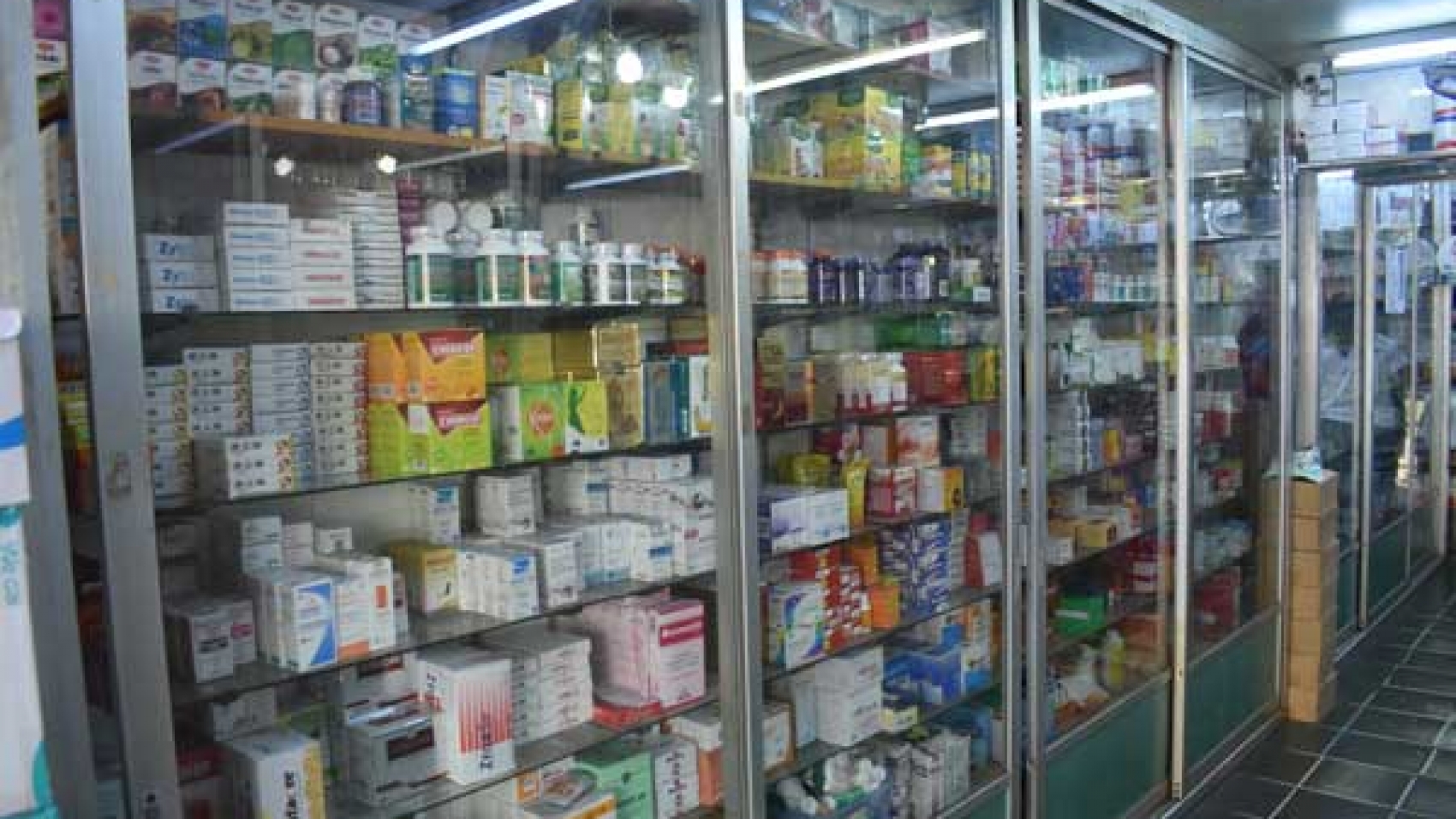
The import value of Myanmar pharmaceutical products was estimated at US$303.5 million in the seven months (Oct-Apr) of the current financial year 2020-2021, according to Myanmar Customs Department. Myanmar imports 90 per cent of medicine and medical products through foreign markets, the Myanmar Chamber of Commerce for Pharmaceutical & Medical Device (MCCPMD) stated.

India is the main supplier for Myanmar. Also, it is imported by Bangladesh, China, Germany, Indonesia, Japan, Republic of Korea, Malaysia, the Philippines, Singapore, China (Taipei), Thailand, US and Viet Nam. Trade has returned to normalcy after panic buying during the coronavirus pandemic.

Most commonly prescribed drugs are available in the market. Only some are out of stock for now. At present, pharmaceutical import is regularly flowing. However, the prices of pharmaceuticals were up by 5 to 10 per cent owing to the dollar appreciation. The Ministry of Commerce has cut the red tape for imports of some pharmaceuticals which have been earlier imported.

Source: The Global New Light of Myanmar

PSX_20201002_033609-0-720x477-NS-1024x678

Man Wein post possibly to extend shutdown even after three months

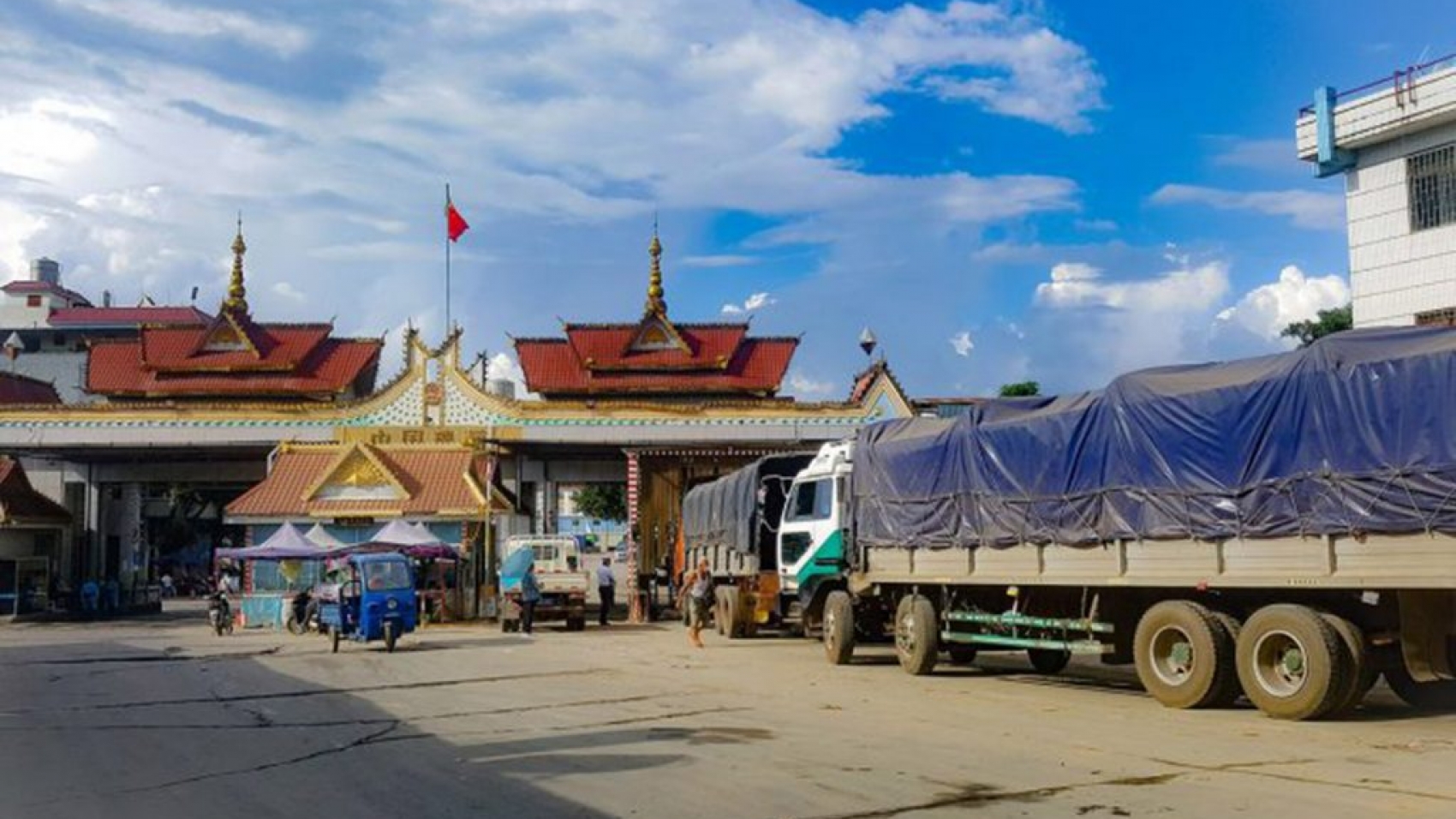
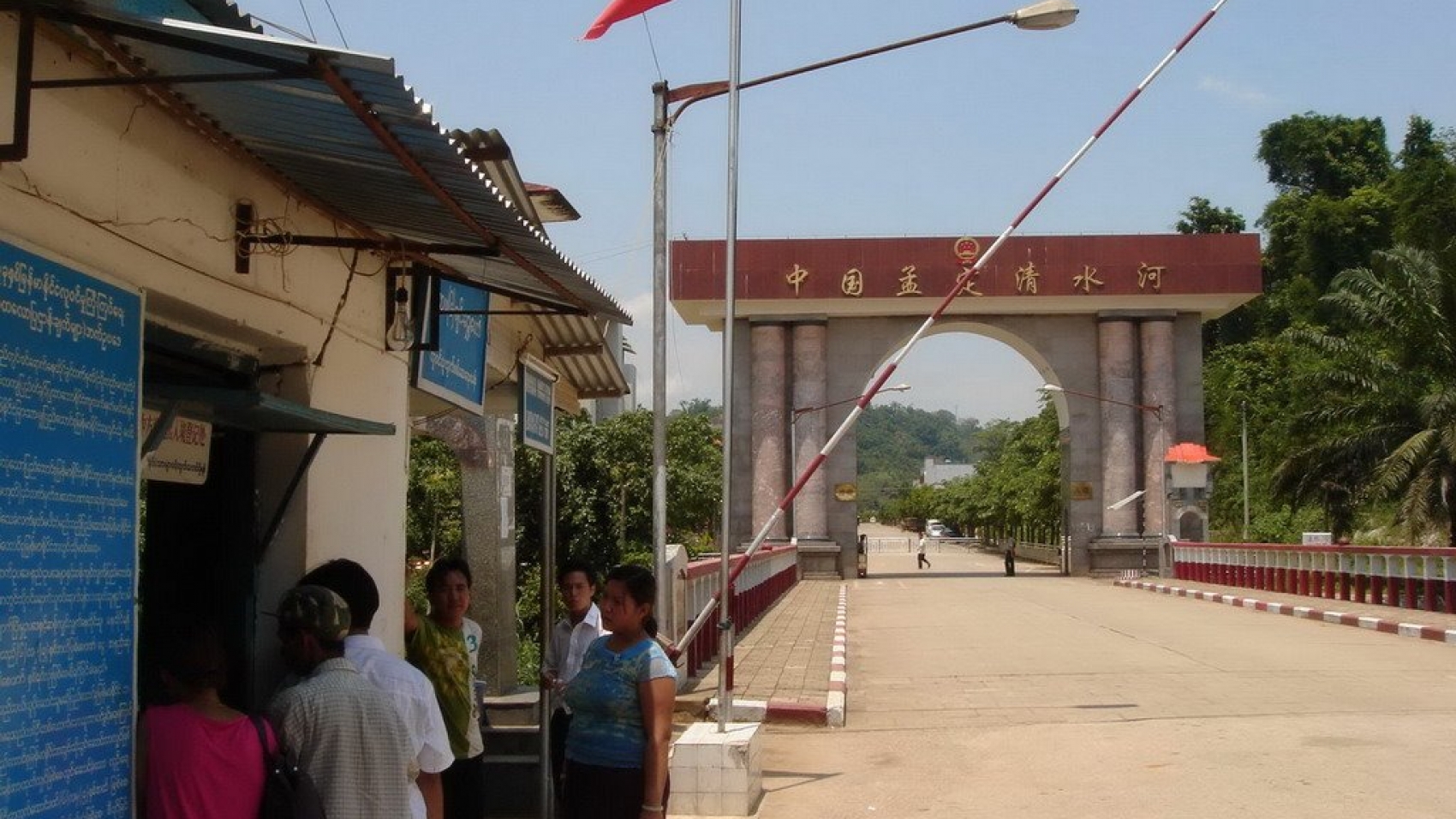
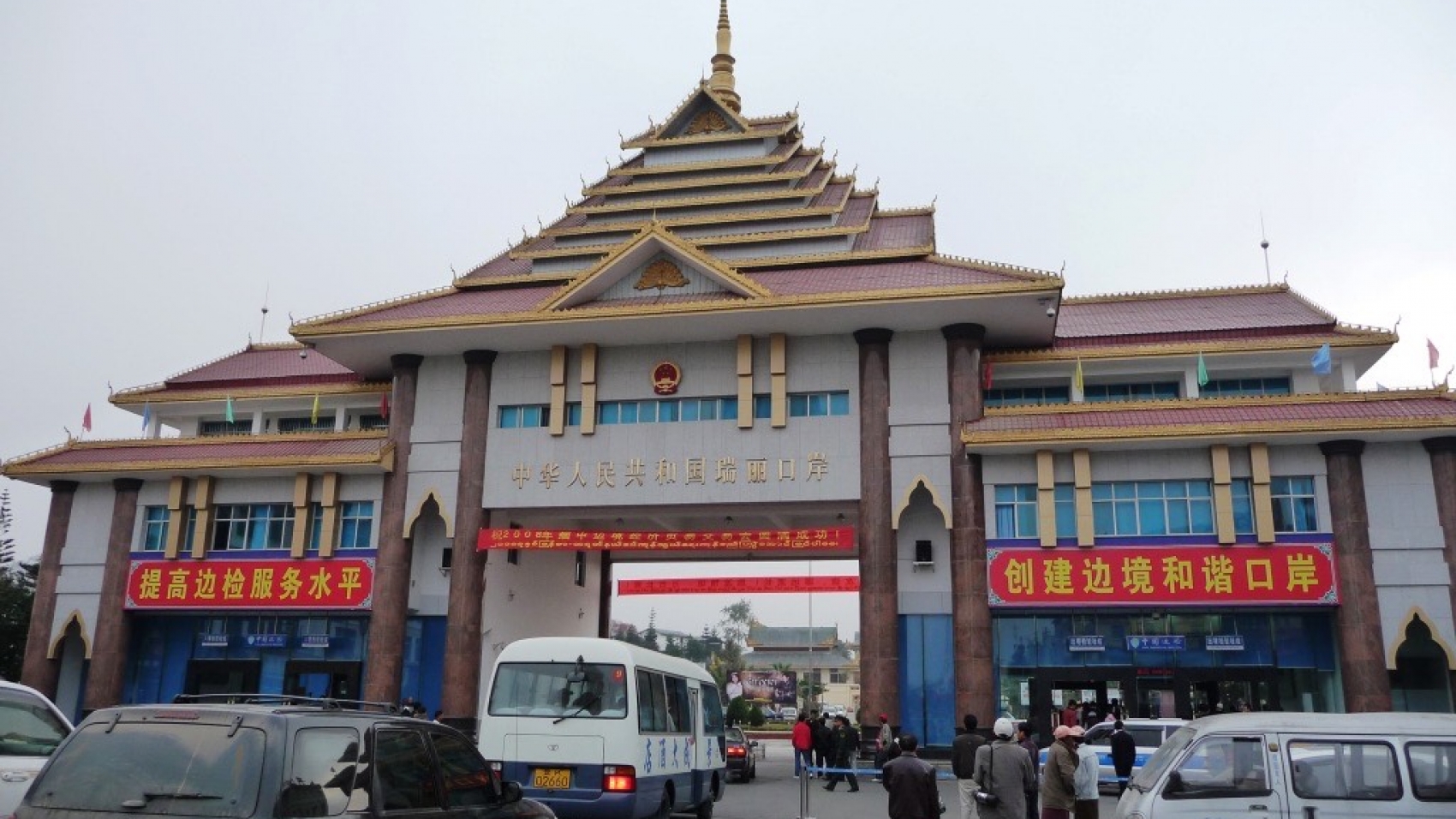
Man Wein border post is likely to remain closed in light of the COVID-19 consequences, said U Min Thein, vice chair of Muse Rice Wholesale Centre. In March-end, the coronavirus cases were detected in Shweli (Ruili) and Kyalgaung areas, prompting China to restrict border access from 30 March at the Man Wein checkpoint, which is a major border crossing between Myanmar and China. Man Wein border closure is possibly to be extended even after three months shutdown.

There is less possibility to reopen the Man Wein border post as the COVID-19 cases in Myanmar is surging. Additionally, Man Wein border post is not available for now according to the negotiation with Shweli’s Foreign Affairs Department. The border post will resume the trade only after drawing up a detailed project report, the Trade Department (Muse 105th mile trade zone) stated.

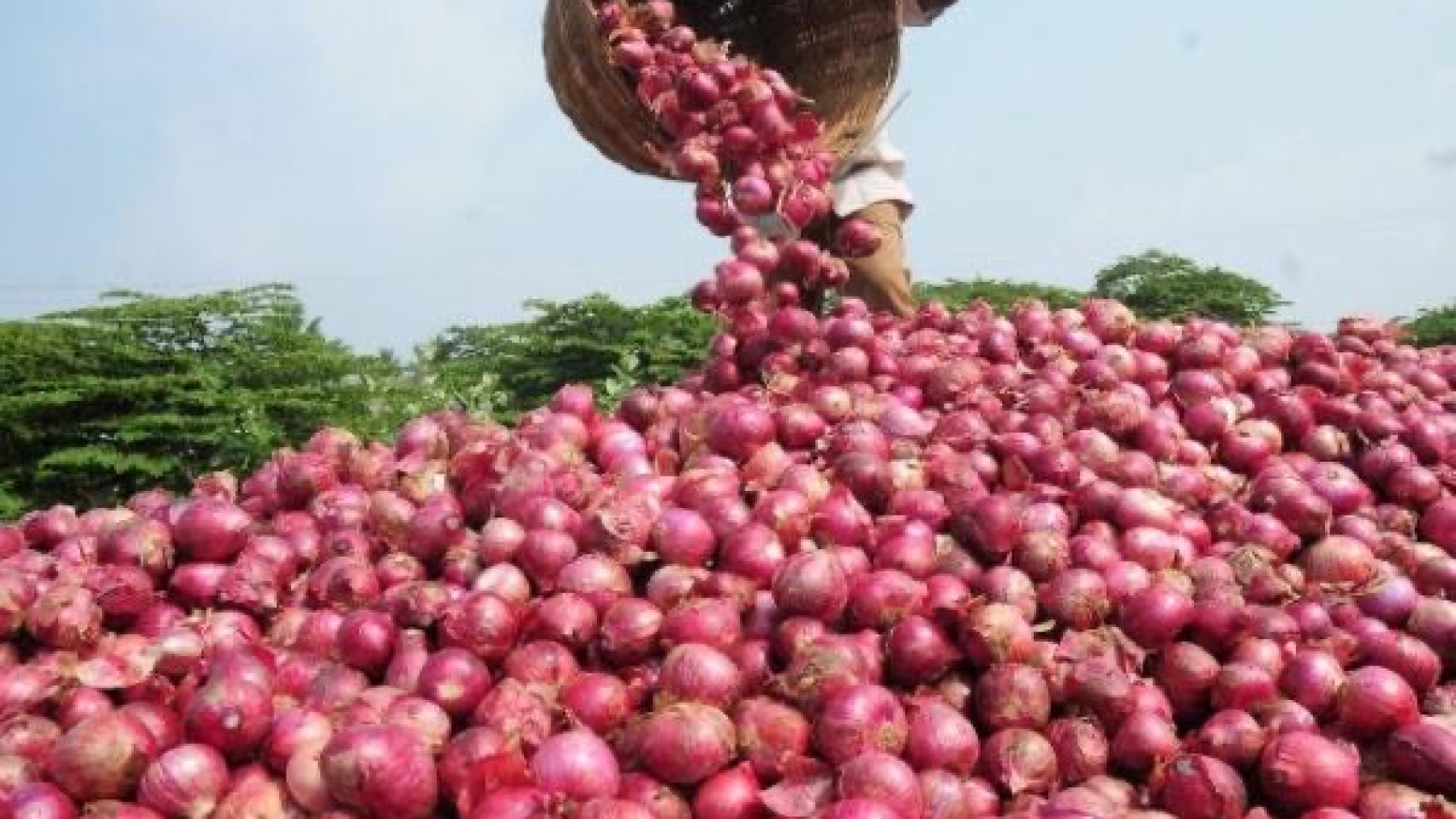
Following the closure of Man Wein post, the major export items such as rice, broken rice, various pulses, fishery products, onion and chilli are being delivered to China through Kyinsankyawt post, which is a major crossing for Myanmar’s fruit exports. However, shipping via Kyinsankyawt post caused traffic congestion and delay. Consequently, Myanmar is currently shipping rice and broken rice via the Bhamo-Lwejel route. During the first wave of the COVID-19, the driver-substitution system was practised in the border area, which helps lessen the impediments to the trade, yet the current restriction exacerbates the border trade, Muse Rice Wholesale Centre stated.

Source: The Global New Light of Myanmar

image_6483441 (8)

Myanmar goods trade deficit with Singapore estimated at $1.38 bln this FY

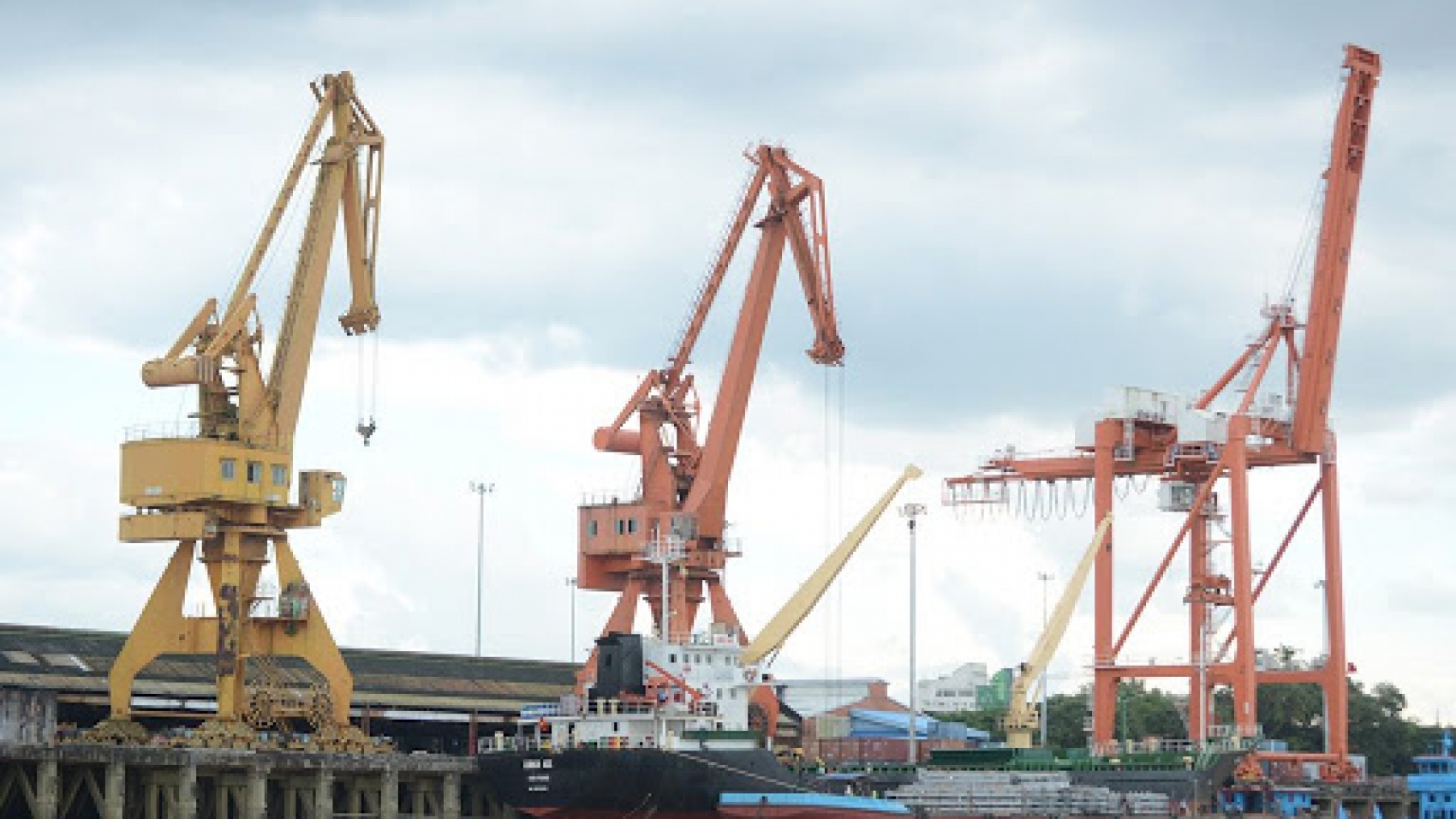
Myanmar trade deficit in goods with Singapore was estimated at US$1.38 billion in the past seven months (Oct-Apr) of the current financial year 2020-2021, Myanmar Customs Department’s statistics indicated. The value of Myanmar’s bilateral trade with Singapore in maritime trade and border trade topped $1.624 billion in the past seven months.

The Myanmar Customs Department reported that imports surpassed exports in trade with Singapore, with exports reaching over $117.78 million and imports valued at over $1.5 billion. Singapore is Myanmar’s second-largest trading partner in the region, after Thailand.

It accounted for 10.56 pc of total trade in FY2016-2017 with an estimated trade value of $3.4 billion, 11.59 pc in FY2017-2018 with a trade value of $4.15 billion, 9.98 pc in the FY2018-2019 with $3.5 billion and over 12 pc in the FY2019-2020 with $3.8 billion respectively.

Myanmar exports agricultural products such as broken rice, pulses, sesame seeds, onion, footwear, textile and clothing, minerals, and other products to Singapore, while it imports plastic, fuel oil, edible oil, transport equipment, chemical elements and compounds, wheat flour, pharmaceutical products, dairy product and consumer product.

Source: The Global New Light of Myanmar

Rice-export

Agro exports surge to $3.88 bln as of 18 June

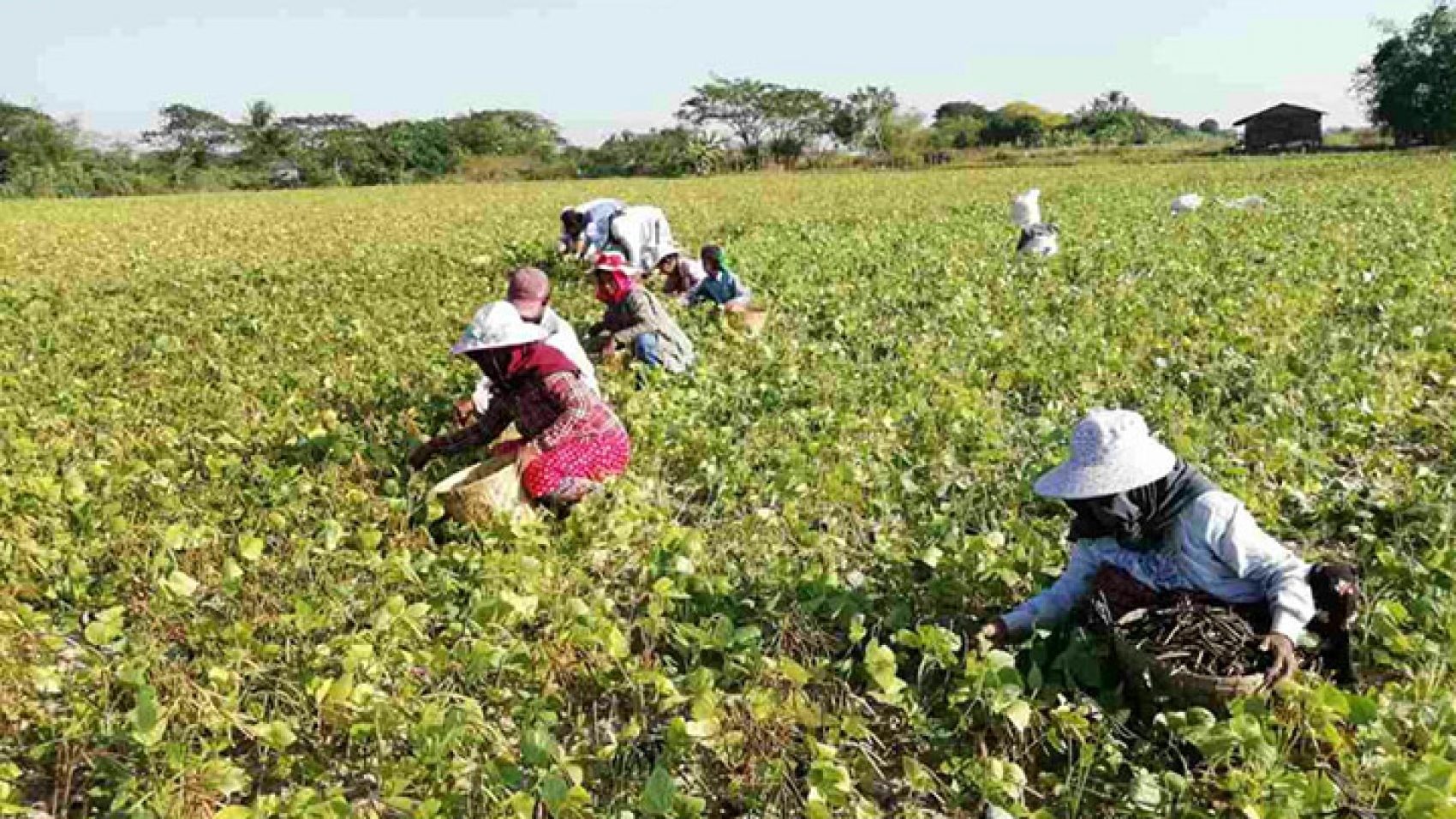
The agricultural exports spiked to US$3.88 billion over the past eight and a half months of the current financial year 2020-2021, despite the downward trend in other export groups amid the tightened coronavirus containment measures in the border areas and increase in container shipping cost. The figures reflect a significant rise of $923.9 million this FY. The agro exports topped $2.95 billion in the corresponding period of the 2019-2020 FY, according to the trade figures released by the Ministry of Commerce.

The agricultural exports unexpectedly surge regardless of the impact of the coronavirus on foreign demand for other export groups such as fishery, livestock, mineral, forest products, finished industrial goods and other goods. In the exports sector, the agriculture industry performed the best, accounting for 37 per cent of overall exports. The chief items of export in the agricultural sector are rice and broken rice, pulses and beans and maize. Fruits and vegetables, sesame, dried tea leaves, sugar, and other agro products are also shipped to other countries. Myanmar agro products are primarily exported to China, Singapore, Malaysia, the Philippines, Bangladesh, India, Indonesia, and Sri Lanka.

Sometimes, the export market remains uncertain due to unsteady global demand. The country requires specific export plans for each agro product, as they are currently exported to external markets based upon supply and demand. The G to G pact also ensures the strong market for the farmers. Contract farming systems, involvement of region and state agriculture departments, exporters, traders, and some grower groups, are required in order to meet production targets, the Agriculture Department stated. The Commerce Ministry is working to help farmers deal with challenges such as high input costs, procurement of pedigree seeds, high cultivation costs, and erratic weather conditions.

Source: The Global New Light of Myanmar

15565549

Trade flows of Chinshwehaw checkpoint suspended for more than two months

The Namh Pha Haw bridge, which connects the Chinshwehaw town, Laukkai Township, northern Shan State has been closed since 18 April. Chin State has announced that they are going to suspend all incoming and outgoing vehicles and people to and from China through Chinshwehaw (Myanmar-China bilateral trade camp) starting from 18 April. The checkpoints were closed after people have been tested positive with COVID-19 in Chinshwehaw, Kunlong and Laukkai townships, major border towns between Myanmar and China.

After the suspension period, some construction-related items and other basic foods loaded small vehiclesentered Myanmar as imported cargos to construct new Kunlong bridge, said an official from Chinshwehaw town. During these days, the COVID-19 infection was under control in Chinshwehaw, more than 400,000 tonnes of sugarcane, an alternative crop to poppy, were allowed to be imported from 10 May to end-May.

The officials are also coordinating for regular shipments of imported vehicles as earlier from Myanmar to China. However, the trade value through Chinshwehaw border checkpoint soared to $387.036 million between 1 October and 16 Aprilin the current financial year 2020-2021 from $313.306 billion recorded in the corresponding period of last FY, the Ministry of Commerce’s data showed. The two countries border trading has improved by $73.730 million. At present, Myanmar carries out border trade with China mainly through Muse, Lwejel, Chinshwehaw, Kampaiti and Kengtung border checkpoints.

Source: The Global New Light of Myanmar

image_6483441 (28)

Sino-Myanmar bilateral trade exceeds $6 bln in H1

The value of Myanmar’s trade with China through maritime and border trade channels amounted to over US$6.13 billion in the first half (Oct-Mar) of the 2020-2021 Financial Year, including $3.18 billion worth of exports and $2.95 billion for import, according to data released by the Ministry of Commerce. Myanmar primarily exports agro products to China through the border gates.

However, trade in agricultural products is frequently halted on account of China clamping down on illegal trade in border gates. Furthermore, China has been stepping up border control measures to contain the spread of the COVID-19 since April-end, hindering the border trade at the present time. In a bid to lower trade barriers and offer relief to Myanmar traders through border trade channel, the Ministry of Commerce, the related departments and the stakeholders have been negotiating with China counterparts.

The two countries are making efforts to set up more border economic cooperation zones and promote border trade. The value of bilateral trade with China stood at $12 billion in the 2019-2020 FY, $11.36 billion in the 2018-2019 FY, $6 billion in the past mini-budget period, $11.78 billion in the 2017-2018 fiscal year and $10.8 billion in the 2016-2017 FY respectively. Rice, various types of peas, sesame seeds, corn, fruits and vegetables, dried tea leaves, fishery products, rubber, minerals and animal products are exported to China, whereas machinery, plastic raw materials, consumer products and electronic tools flow into Myanmar.

Source: The Global New Light of Myanmar

green-gram.-photoKo-Kyaw-Thonegwa-copy

In the first eight months of the current fiscal year, nearly 800,000 tonnes of pulses were exported by sea and more than 700,000 tonnes from the border, for a total of nearly 150,000 tonnes

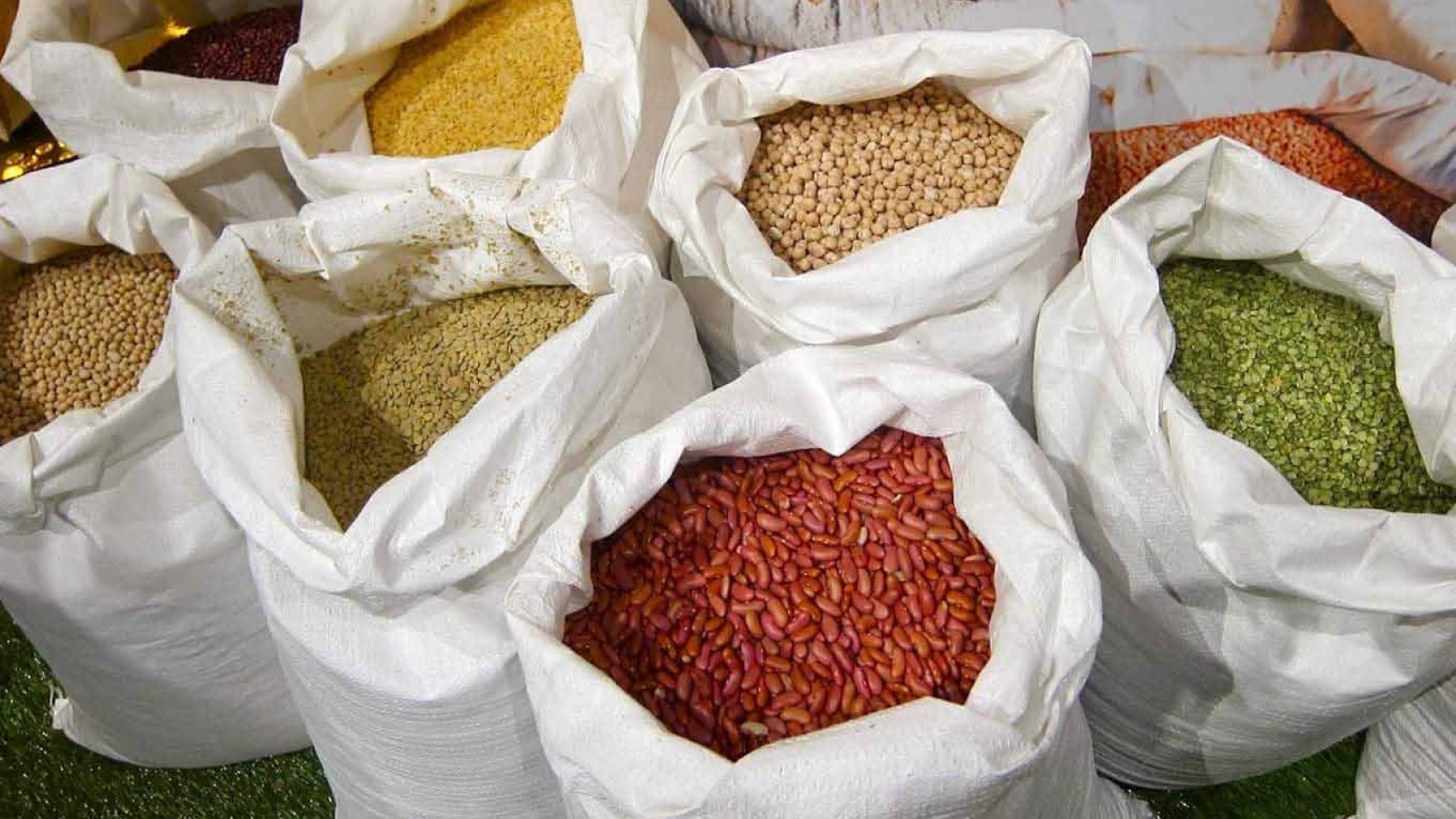
In the first eight months of the current fiscal year, nearly 800,000 tonnes of pulses were exported by sea and 700,000 tonnes from the border, for a total of nearly 150,000 tonnes, according to the Ministry of Commerce. From October to June 18 of the 2020-2021 fiscal year, pulses were exported by sea at 78,785 tonnes, valued at $ 623.807 million. Exports of 710,674 tonnes from the border amounted to $ 554.010 million, of which a total of 1498531 tonnes of pulses were exported from seaborne and border crossings, earning $ 1,177.817 million from the Indian government. The two sides have been negotiating since 2016 to sign the G to G Memorandum of Understanding (Draft) on Pulses and Pulses Trade Cooperation between Myanmar and India.

At present, the two governments signed a Memorandum of Understanding (MoU) on cooperation between Myanmar and India on June 18, 2021 under the G to G program to promote pulses and pulses trade between Myanmar and India, depending on the volume and consumption needs of Myanmar and India. According to the MoU, the Indian government will import 250,000 tonnes of pulses and 100,000 tonnes of pulses from Myanmar annually through private trade between the next five years, 2021-2022 to 2025-2026 (April to March), according to the Ministry of Commerce.

The G to G MoU will not affect the annual international bean quota issued by the Government of India, and Myanmar bean exporters will be able to participate in the international quota. Myanmar produces locally grown legumes. Green peas According to the Ministry of Commerce, the three main types of pulses are pulses. Among them, pulses and green peas are mainly exported to India, while green peas are mainly exported to China and some European countries. Myanmar produces over 11 million acres of pulses annually, accounting for more than 35% of the total production of pulses and pulses. In Myanmar, a total of 11.45 million acres of pulses are cultivated annually for 18 varieties of pulses. Standing 25 percent; According to the statement, pulses are grown at 15% and lentils at 8%.

Source: Daily Eleven

FB_IMG_1489221303996-2-72

Myanmar bean growers see strong market on G to G pact

The bilateral Memorandum of Understanding (MoU) between Myanmar and India ensured a strong market next five years, along with other relaxations on import quota, the Myanmar Trade Promotion Organization under the Ministry of Commerce stated. Myanmar can export 250,000 tonnes of black gram (urad) and 100,000 tonnes of pigeon peas under the G to G (government to government) pact during the April-March period between the 2021-2022 financial year and the 2025-2026 FY. The bilateral negotiations for the G to G pact started in 2016 and the two countries signed an MoU on 18 June 2021. Additionally, this G to G pact will not relate to India’s yearly quota on bean import. Therefore, Myanmar exporters can ship them under this quota as well.

In May 2021, India’s Ministry of Agriculture and Farmers Welfare approved not only black gram but also other pulses being imported from Myanmar that have the bill of landing up to October-end 2021, with relaxations of conditions regarding clearance consignment. India experienced some damages to their farms due to erratic weather, resulting in a yield drop. The demand in India has risen amid the impacts of the global pandemic and the low supply. Consequently, India’s ministry gave green light to the relaxations of conditions for imports of pulses from Myanmar. The number of bean acreage is expected to increase in the coming season following the relaxations. Following the policy change of India’s pulses import, the prices of black gram and pigeon peas have risen in the domestic market. The grams are in high demand at present, according to the traders from Mandalay commodity depot. Strong local demand boosted the price of black gram (urad) to K1,105,000-1,235,000 per tonne on 25 June. Black gram fetched only K880,000 per tonne in April-end.

Similarly, the high demand pushed up the price of pigeon peas up to K1,092,500 per tonne on 25 June, Bayintnaung Wholesale Market data showed. India set an import quota on beans including black gram and pigeon peas starting from 2017. Myanmar earlier had to export black bean and pigeon peas under the quota system and limit period. The local growers were battered by quota and price manipulation in the previous years. Myanmar’s agriculture sector is the backbone of the country’s economy and it contributes to over 30 per cent of Gross Domestic Products. The country primarily cultivates paddy, corn, cotton, sugarcane, various pulses and beans. Its second-largest production is pulses and beans, counting for 33 per cent of agricultural products and covering 20 per cent of growing acres. Among them, black gram, pigeon peas and green grams constitute 72 per cent of bean acreage. Other beans including peanut, chickpea, soybean, black-eyed beans, butter bean and rice bean are also grown in the country.

Source: The Global New Light of Myanmar

unnamed (1)

Thailand remains Myanmar’s top trading partner among regional countries in H1

Neighbouring Thailand is Myanmar’s major trading partner, which accounts for US$2.45 billion in the first half (October-March) of the current financial year 2020-2021, the statistics issued by the Central Statistical Organization under the Ministry of Planning and Finance indicated. The ministry reported that exports surpassed imports in trade with Thailand, with exports reaching over $1.55 billion and imports valued at over $901 million. Thailand has been Myanmar’s largest trade partner among the regional countries, followed by Singapore and Malaysia.

Thailand accounted for 18.48 per cent of total trade in 2016-2017 FY with an estimated trade value of US$4.6 billion, 19.17 pc in 2017-2018FY with a trade value of $5.57 billion, 40.38 pc in 2018-2019FY with $5.46 billion and over 40 pc in 2019-2020 FY with $5.117 billion respectively. Exports of natural gas from the Taninthayi Region contributed to the enormous increase in border trade with Thailand in the previous years. Last year, corn exports to Thailand also rose significantly as well, the Ministry of Commerce stated. Myanmar primarily exports natural gas, fishery products, coal, tin concentrate (SN 71.58 per cent), coconut (fresh and dry), beans, corns, bamboo shoots, sesame seeds, garment, footwear, plywood and veneer, broken rice and other commodities to Thailand.

It imports capital goods such as machinery, raw industrial goods such as cement and fertilizers, and consumer goods such as cosmetics, edible vegetable oil and food products from the neighbouring country. Myanmar is carrying out border trade with the neighbouring country Thailand through Tachilek, Myawady, Myeik, Mawtaung, Hteekhee, Kawthoung and Meisei border areas respectively. Among them, Myawady performed the largest trade in border trade with Thailand, followed by Hteekhee. Nevertheless, the trading activity via border is sluggish for now amid the coronavirus resurgences. Consequently, the trade via land border sharply fell in the current FY (2020-2021) as against last year. Apart from its main trade partner China, Myanmar’s external trade was mostly carried out with the regional trade partners.

Source: The Global New Light of Myanmar

unnamed

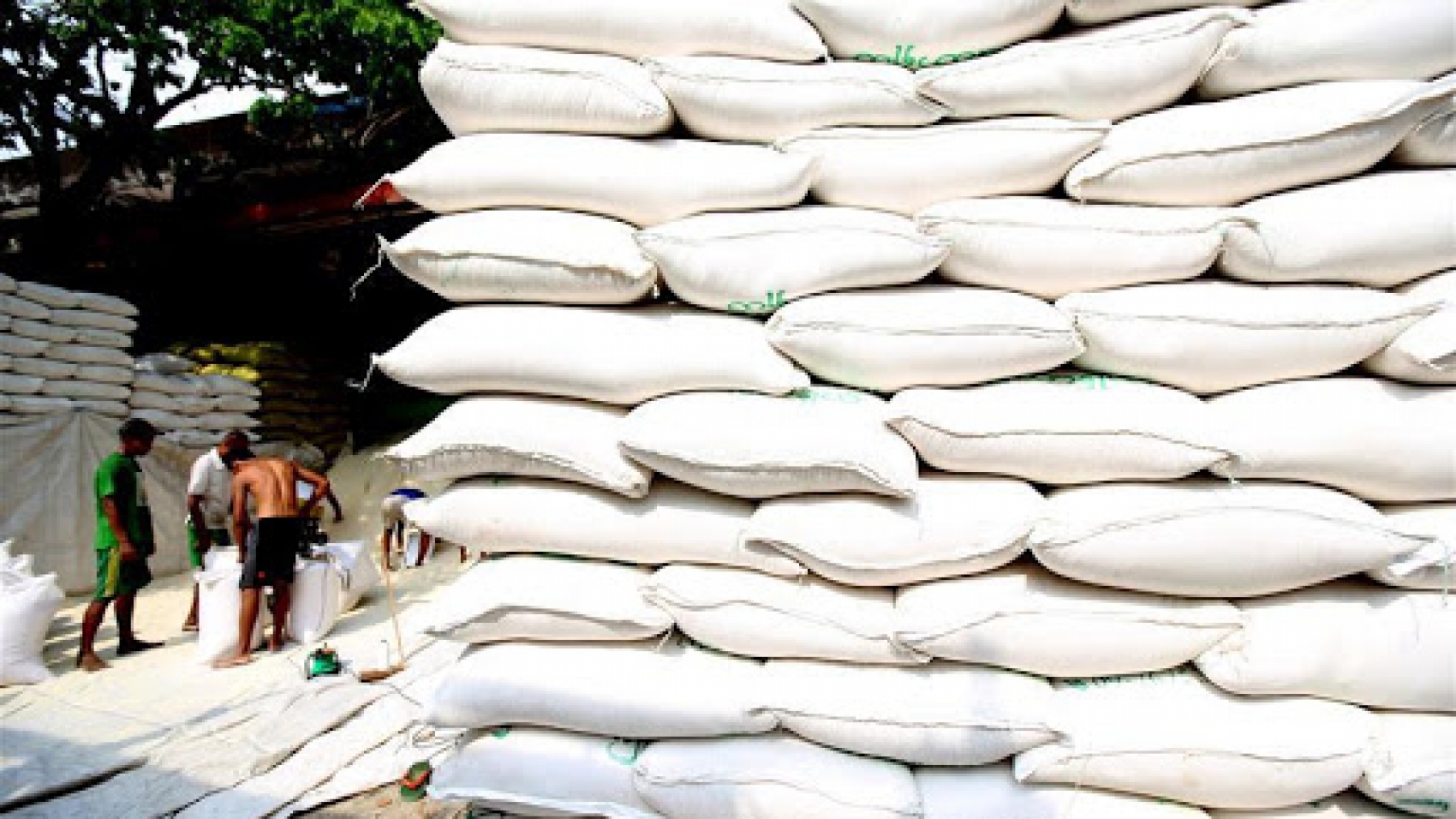
Myanmar exports about 20,000 bags of rice to China via Bhamo-Lwejel route

Myanmar daily ships about 20,000 bags of rice to China through the Bhamo-Lwejel route, said U Min Thein, vice-chair of Muse Rice Wholesale Centre. Man Wein, a major border crossing between Myanmar and China for rice exports, came to an abrupt halt from 30 March, following the COVID-19 detection in the border.

As a result of this, the export channel was shifted to the Bhamo-Lwejel route, he continued. The rice is delivered from Mandalay to Bhamo, Kachin State by ship and sent to Lwejel, which is 59 miles away from Bhamo by truck. Lwejel border is next to China, U Min Thein said. Previously, it took about a month to China via the Mandalay-Muse route due to traffic congestion.

This new trade channel cut both the shipping time as well as the cost, he added. Man Wein border post has remained close even after two and half months. At present, Myanmar has been conducting border trade with China through Muse, Lwejel, Chinshwehaw, Kampaiti and Kengtung border posts. Muse border performed the best among them, according to the statistics released by the Trade Department under the Ministry of Commerce. 

Source: The Global New Light of Myanmar